

Artificial Intelligence (AI) is fundamentally transforming how vehicles are designed, manufactured, and experienced even before it came into mainstream. Now cars are getting smarter, factories more efficient, and the driving experience more personalized and safer, thanks to some key AI features. This blog explores the key benefits, real-world use cases, and future directions of AI in the automotive industry, delivering insights into how this technology is driving momentum in a fast-evolving sector.
1. Focusing on the Critical Aspect - Safety
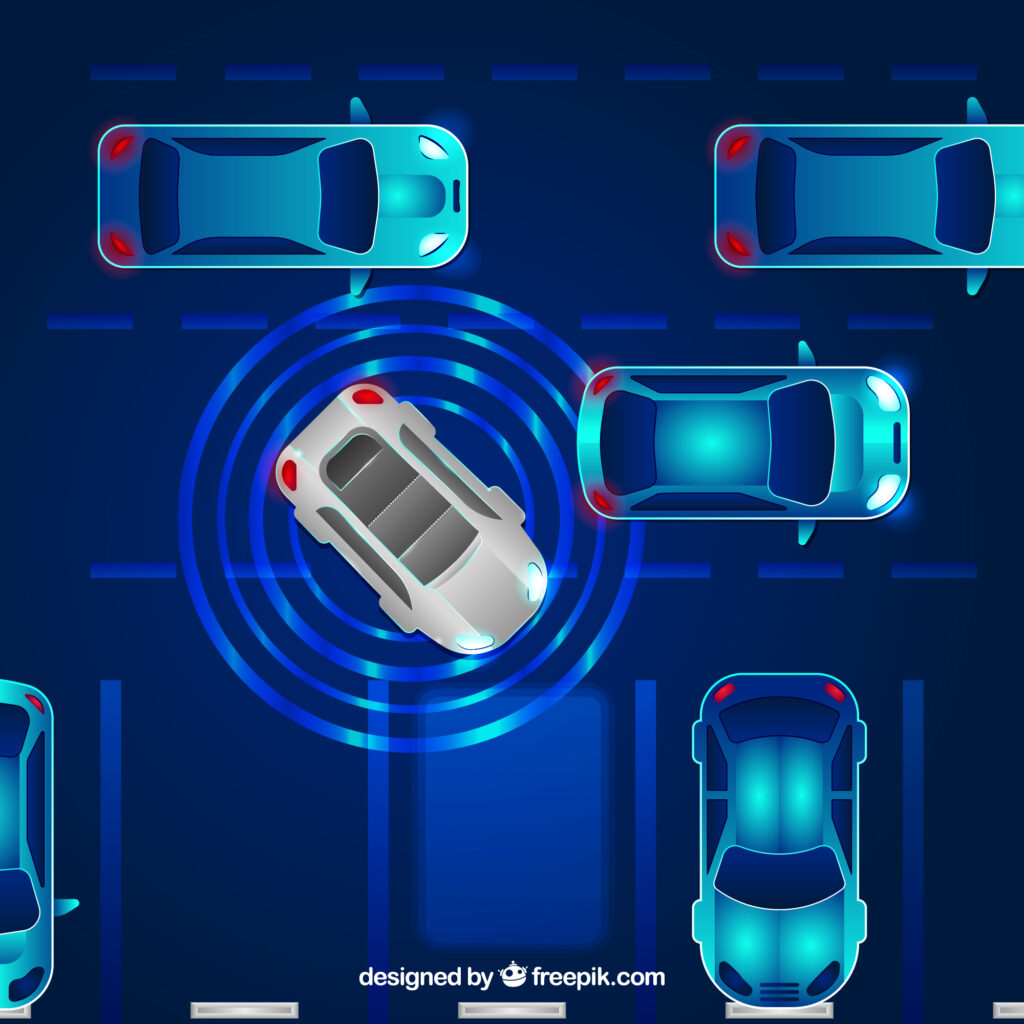
One of the clearest impacts of AI on automotive is vehicle safety and automation. Advanced Driver Assistance Systems (ADAS), powered by AI algorithms, use data from cameras, radars, and lidar sensors to create a real-time understanding of the vehicle’s environment. This allows cars to anticipate hazards, avoid collisions, and assist drivers with tasks like lane-keeping or emergency braking; making roads safer for everyone.
According to a 2025 IBM report, AI-driven features such as ADAS are expected to contribute to a 37% increase in digital service value in vehicles over the next three years, underscoring its growing priority among automakers.
Leading companies like Tesla and Waymo are pioneers in autonomous driving technology that rely heavily on AI to navigate complex urban settings and unpredictable road scenarios. Tesla’s Autopilot, for example, is refined through deep learning models trained on billions of miles of driving data, enabling instant decision-making on lane changes and obstacle avoidance.
Beyond safety, AI is personalizing how drivers engage with their cars. Voice-activated assistants, adaptive infotainment systems, and intelligent climate controls learn driver preferences over time, transforming vehicles from mere tools into personalized companions on the road.
2. Revolutionizing Automotive Manufacturing
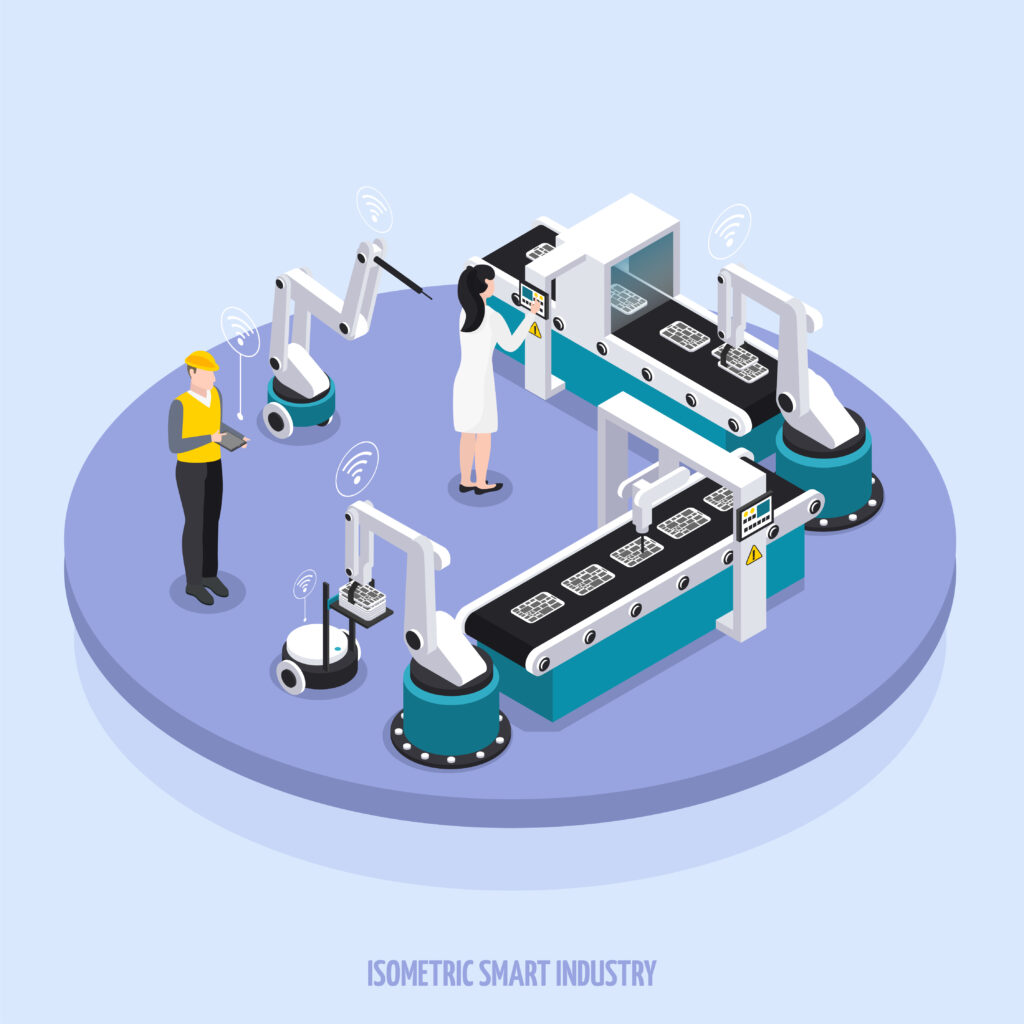
AI’s influence is equally profound in the factory where cars are made. Production lines powered by AI-driven robotics and automation deliver superior precision, reduce defects, and optimize throughput. Real-time AI analytics monitor shop-floor operations to spot inefficiencies or predict maintenance needs, minimizing downtime and lowering costs.
Automotive R&D investments in AI and digital tech are projected to nearly triple from 21% in recent years to 58% in 2025, reflecting the industry’s drive for smarter production processes.
Quality control now benefits from AI-powered image recognition systems that detect microscopic defects on assembly lines, improving product reliability, and lowering warranty claims. Honda, for example, has employed generative AI to enhance engineer workflow and transfer critical knowledge efficiently, speeding production cycles.
3. Predictive Maintenance to Increase Longevity of the Vehicle
AI’s role doesn’t end after the vehicle rolls off the line. Embedded sensors combined with AI algorithms continuously monitor vehicle health; forecasting issues before breakdowns occur. This predictive maintenance model prevents costly repairs and helps fleet operators reduce operational interruptions.
By 2028, predictive maintenance enabled by AI is forecasted to reduce automotive downtime by up to 40%, saving millions in repair and operational costs.
The AI analyzes live vehicle data to identify early warning signs of wear and anomalies, optimizing safety, and extending the life of critical components.
4. Supply Chains & Inventory Optimized by AI
The automotive industry is known for its complex global supply chains. AI is transforming these by improving demand forecasting, inventory management, and logistics scheduling. Leveraging data like market trends and real-time shipping status, AI ensures parts availability and avoids costly production delays.
A recent study finds that AI-based supply chain optimization can reduce inventory holding costs by 20% and improve on-time delivery rates by 15%.
This agility is critical given the industry’s exposure to global disruptions, making AI a vital technology for resilience and cost efficiency.
5. Faster Innovation Through AI-Driven Design
Designing cars used to be a lengthy, labor-intensive process. AI is changing the process by enabling rapid prototyping and optimization via generative design algorithms. These systems explore thousands of design options based on performance targets, reducing material waste, and improving vehicle aerodynamics.
For instance, AI helped General Motors redesign a seatbelt bracket that was 40% lighter, yet 20% stronger, cutting production costs while enhancing safety.
Virtual simulations powered by AI allow engineers to test new features in iteration, without physical prototypes, accelerating development timelines, and bringing innovations to the market faster.

6. Real-World AI Use Cases in Automotive Field
- Autonomous Driving & Driver Assistance: Real-time sensor data processed by AI powers self-driving capabilities and hazard detection.
- Personalized In-Car Experience: Voice assistants and adaptive systems tailor climate, navigation, and entertainment to driver behavior.
- AI-Powered Production: Robotics and advanced analytics enhance manufacturing quality and efficiency.
- Supply Chain Intelligence: AI forecasts demand, manages inventory, and optimizes logistics routes.
- Predictive Vehicle Maintenance: Early detection of issues prevents breakdowns and costly repairs.
- Generative Vehicle Design: AI creates lightweight, efficient component designs accelerating innovation.
The Road Ahead - What’s Next?
Looking forward, the fusion of generative AI and edge AI technologies promises deeper vehicle intelligence, processing data with low latency for enhanced safety and privacy. The automotive industry is shifting from mechanical to software-defined vehicles (SDVs), focusing on continuous software upgrades and AI-driven customer services.
74% of automotive executives believe that by 2035 vehicles will be predominantly software-defined and AI-powered.
To stay ahead, automakers are tripling their digital R&D budgets and fostering partnerships across tech startups, academia, and even competitors to fuel innovation.
By making driving safer, manufacturing smarter, and vehicles more personalized, AI is steering the industry into a new era of mobility.
If you’re looking for a tech partner that will help build suitable solutions for your business, take a look at our services and contact us for more details.